Getting the search all setup
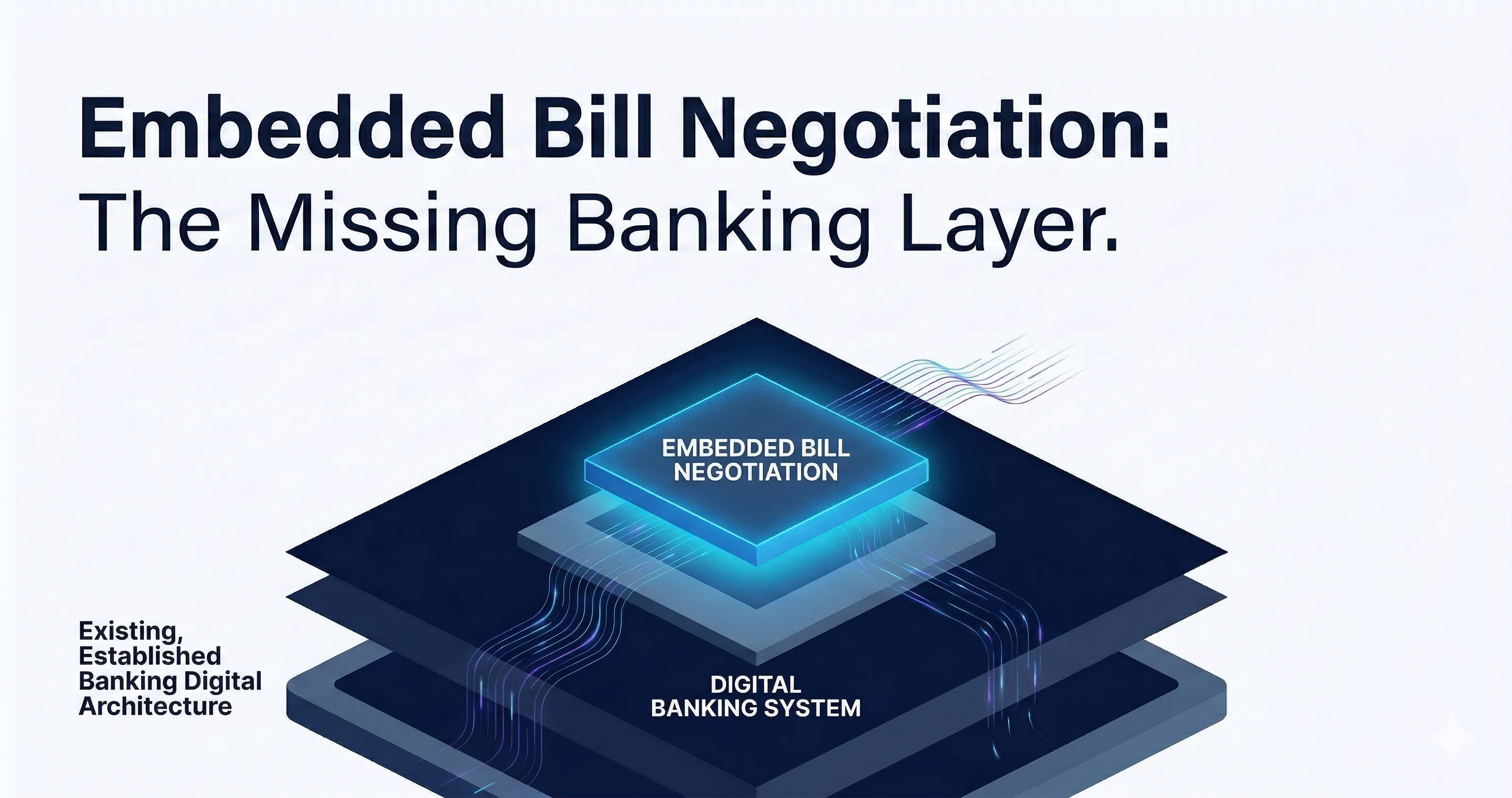
Embedded fintech has transformed how consumers pay, borrow, and insure. But the largest recurring expense category in most American households — home services — remains almost entirely unaddressed.
Internet. Wireless. TV. Security. Phone. These bills collectively represent hundreds of billions in annual consumer spending, and they share a characteristic that makes them uniquely suited to embedded savings: massive pricing variability that most customers don’t know exists.
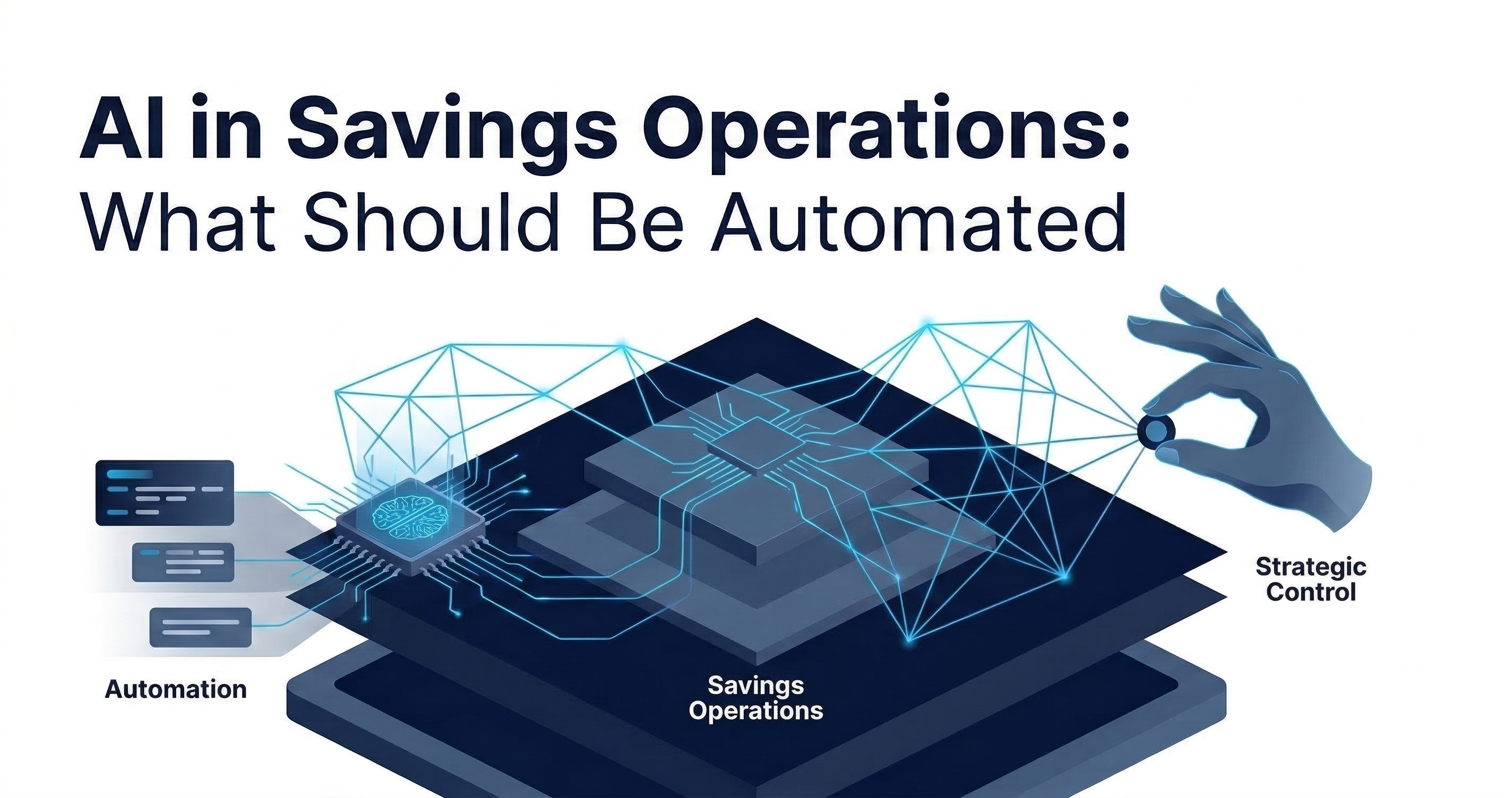
AI in fintech gets positioned as a replacement for human judgment. In savings infrastructure, the better frame is enhancement: machine learning that makes every negotiation smarter, faster, and more likely to succeed.
The distinction matters because the AI layer in savings infrastructure isn’t a chatbot negotiating your Verizon bill. It’s a proprietary intelligence system operating on data from millions of negotiations that no generic AI tool can access.
An 85%+ success rate on bill negotiation sounds like a headline metric. It is. But it’s also the most misunderstood number in embedded savings.
Partners evaluating vendors need to understand what drives that number, why it’s sustainable, and what it actually predicts about the outcomes their customers will see.
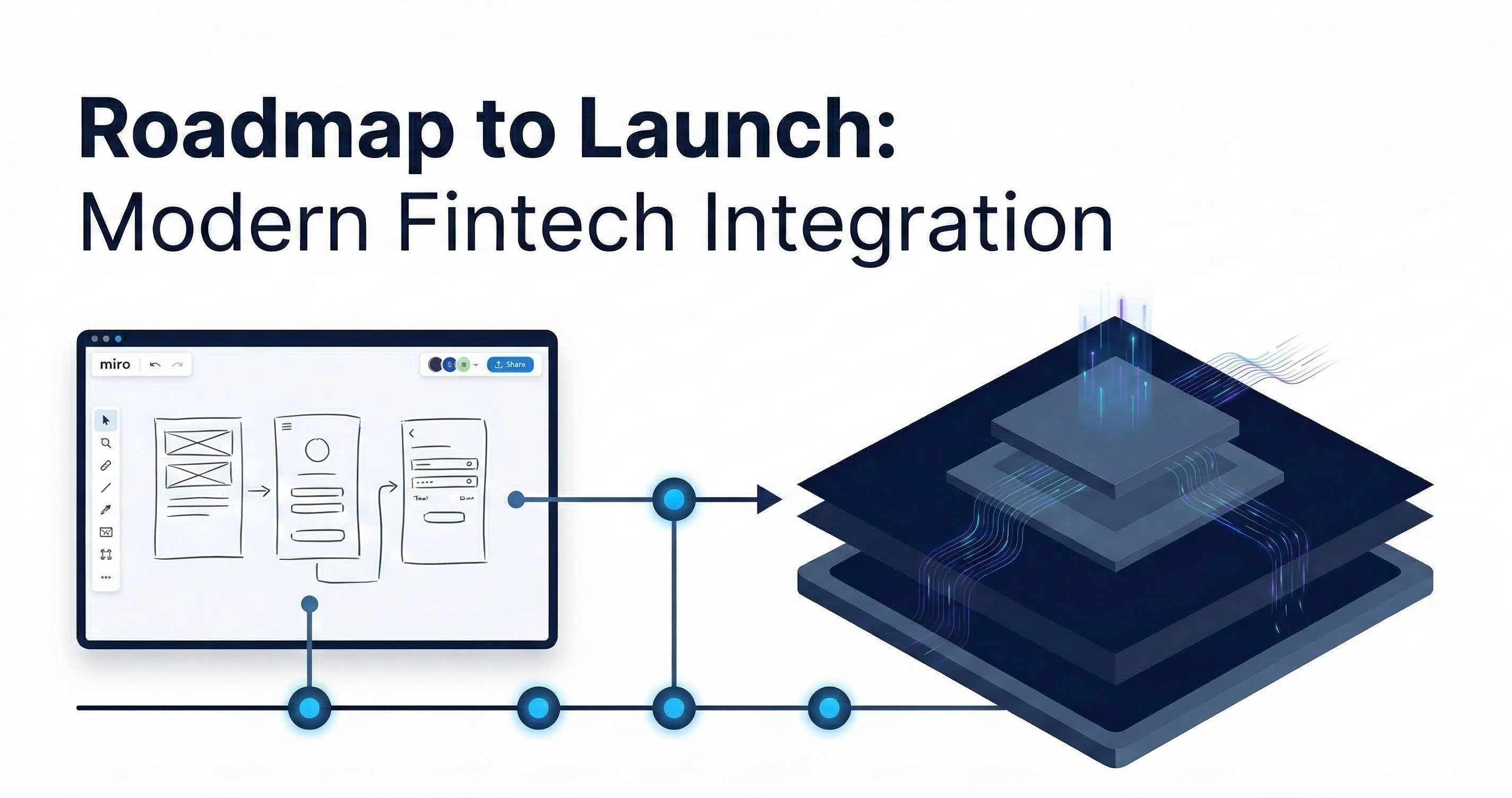
Enterprise fintech integrations are notorious for two things: taking forever and requiring an army. Six-month timelines. Dedicated integration teams. Months of security review before a single API call gets made.
Most partners are live on savings infrastructure in two weeks with one engineer. That’s not a marketing claim. It’s an architecture decision.
The highest-value embedded finance experiences are invisible. The customer never knows a third party exists. They see their bank’s brand, their bank’s UX, their bank’s communications. The savings feel native because they are native — to the customer.
That’s not a delivery model preference. It’s a strategic imperative.
“Financial wellness” has become the most overused phrase in digital banking. Every vendor claims it. Every product roadmap includes it. Most of what ships under the banner is a dashboard showing customers what they already know: they spend too much.
Dashboards don’t change behavior. Outcomes do.
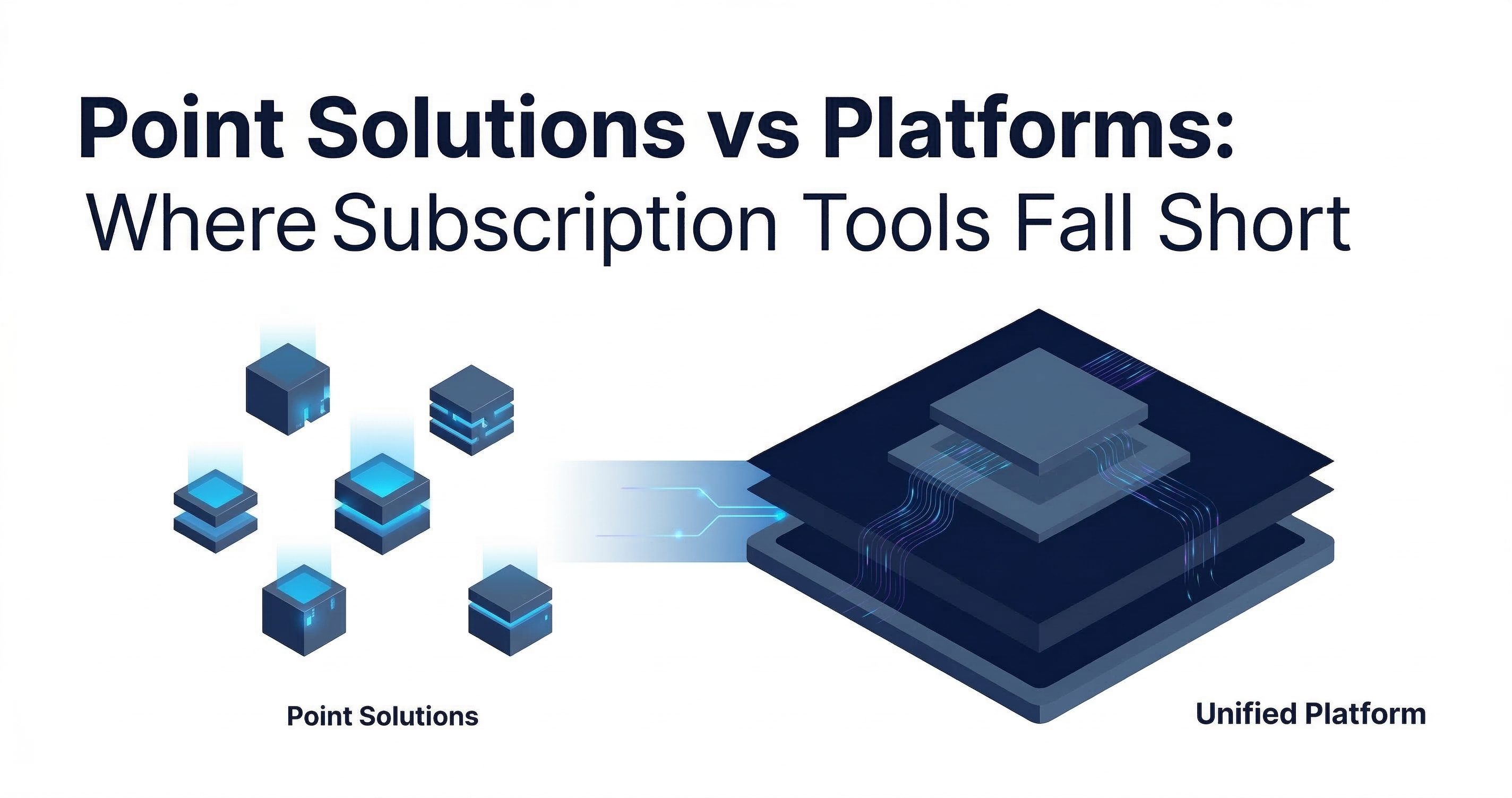
Here’s a number that should keep every bank’s fraud team up at night: 337 million. That’s the projected number of global friendly fraud disputes by 2026. And 60–75% of all chargebacks now stem from the same source — unmanaged subscriptions.
Not stolen cards. Not account takeover. Subscriptions that customers forgot about, couldn’t figure out how to cancel, or didn’t recognize on their statement.
The subscription economy is projected to reach $1.2 trillion by 2030. That number gets cited in every fintech pitch deck as a tailwind. But there’s a headwind inside it that most of those decks ignore.
Over 60% of consumers report feeling overwhelmed by recurring payments. Churn rates are climbing across every category
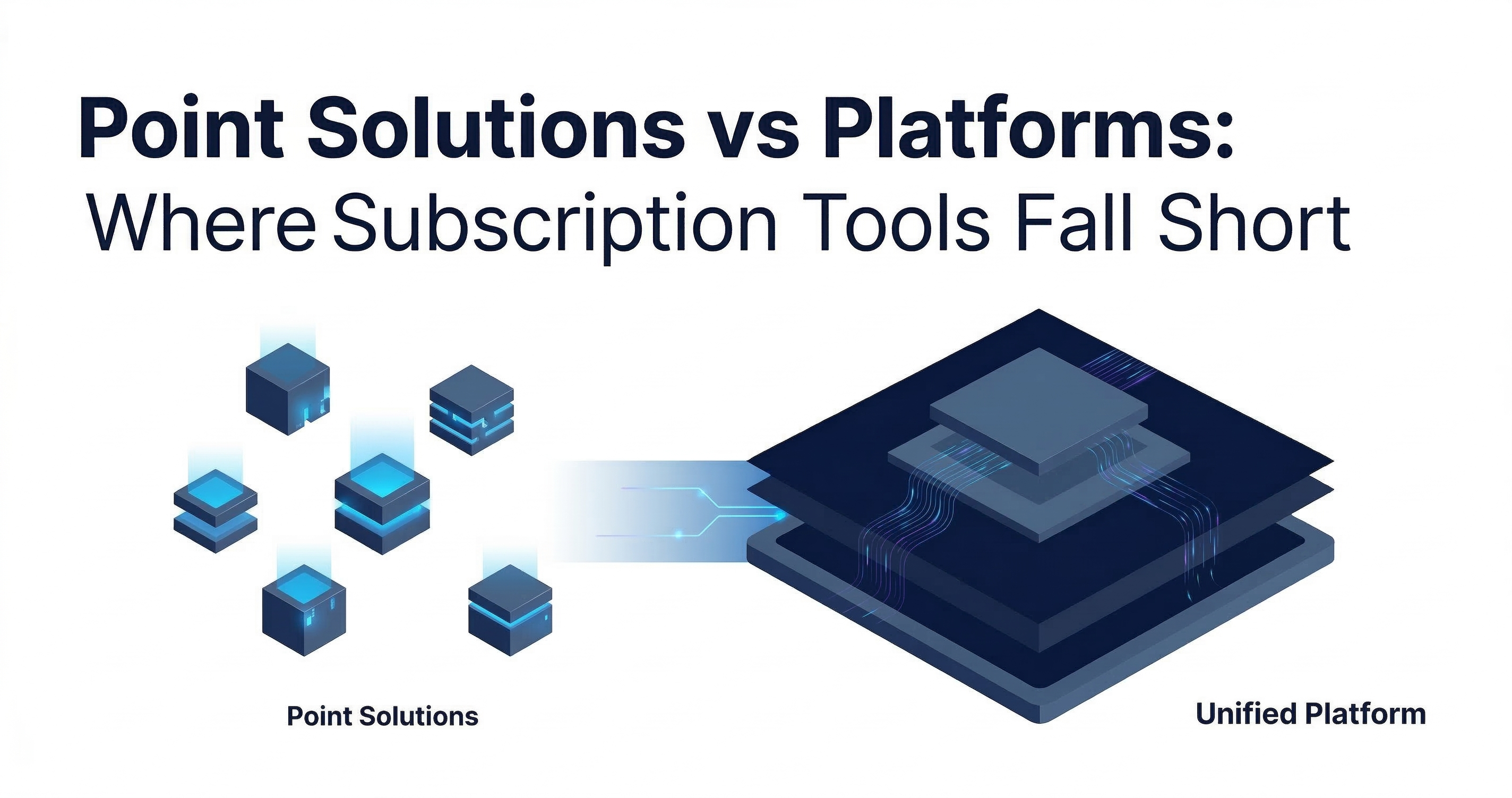
Subscription identification is a solved problem. Any vendor with access to transaction data can categorize recurring charges. That’s table stakes.
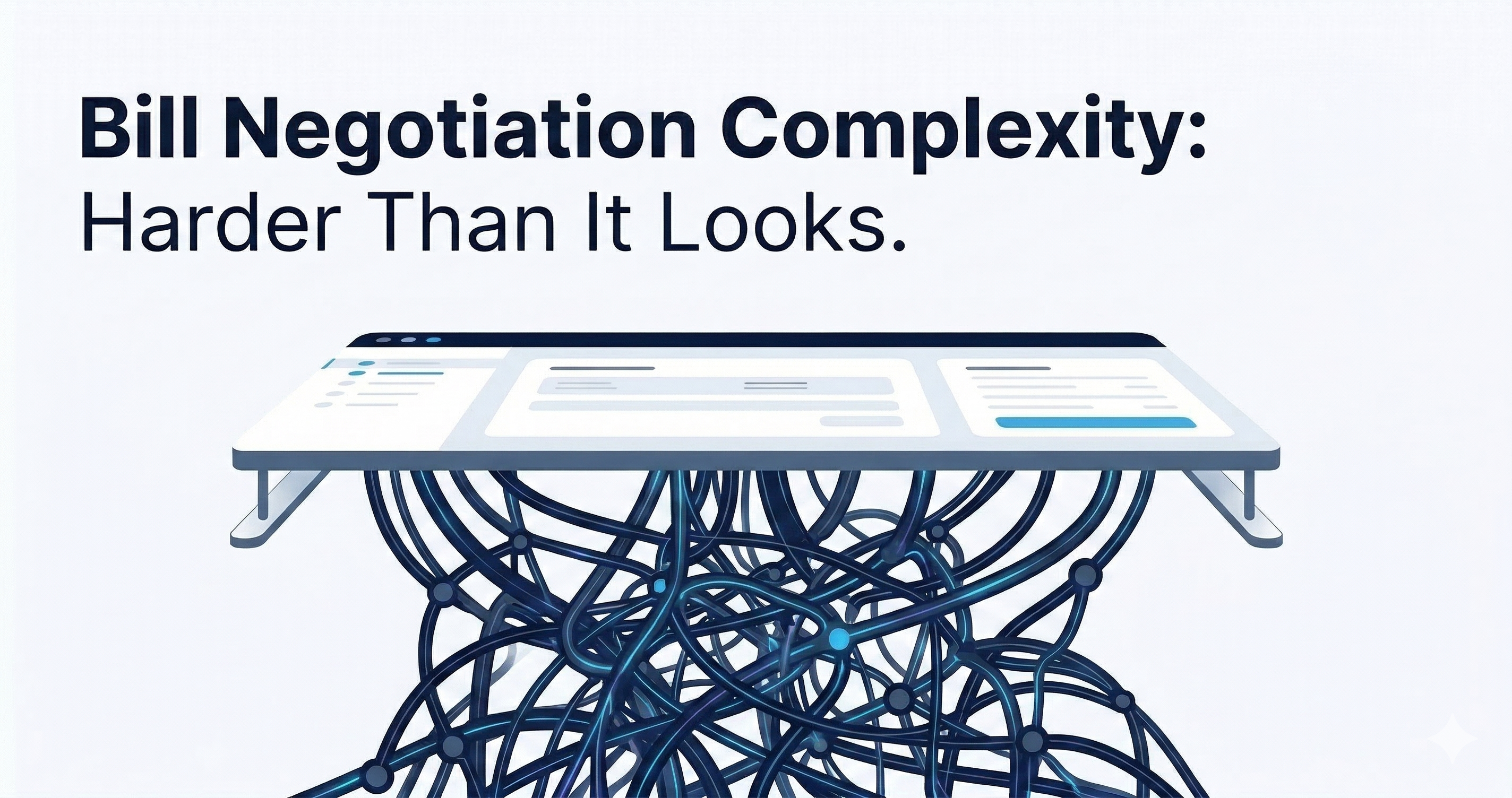
Bill negotiation is a different animal entirely. And it’s the capability that separates savings infrastructure from everything else in the market.